
Castle Gallery
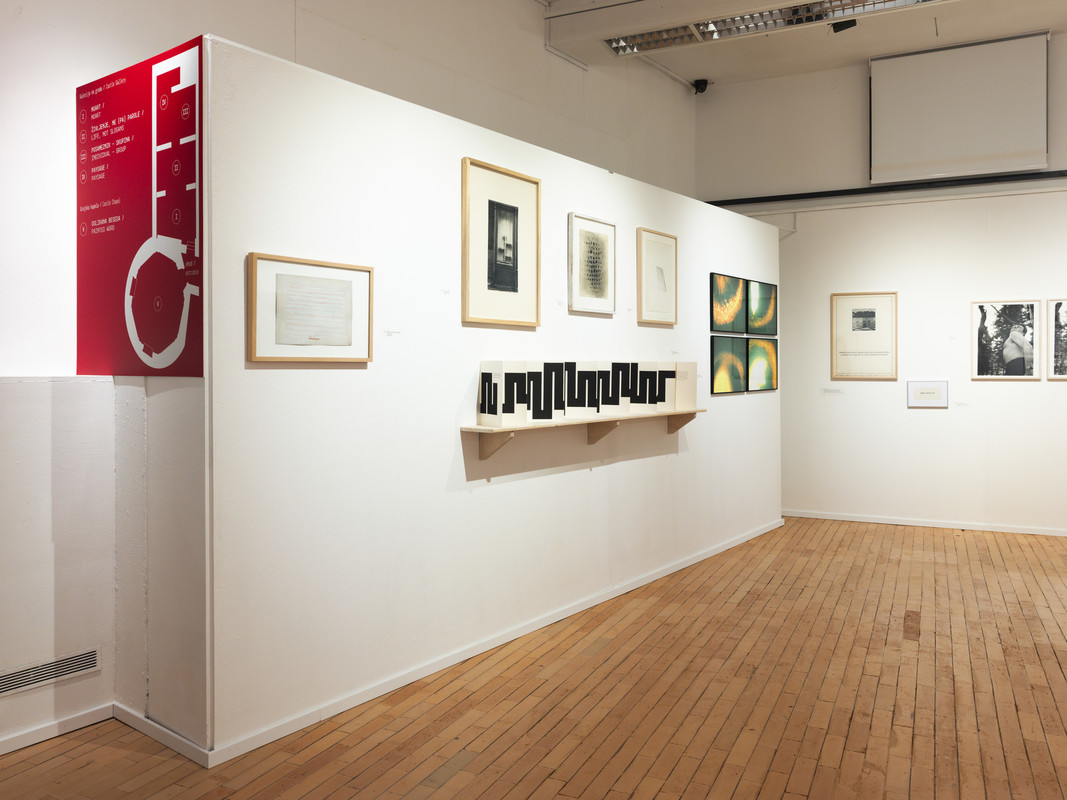
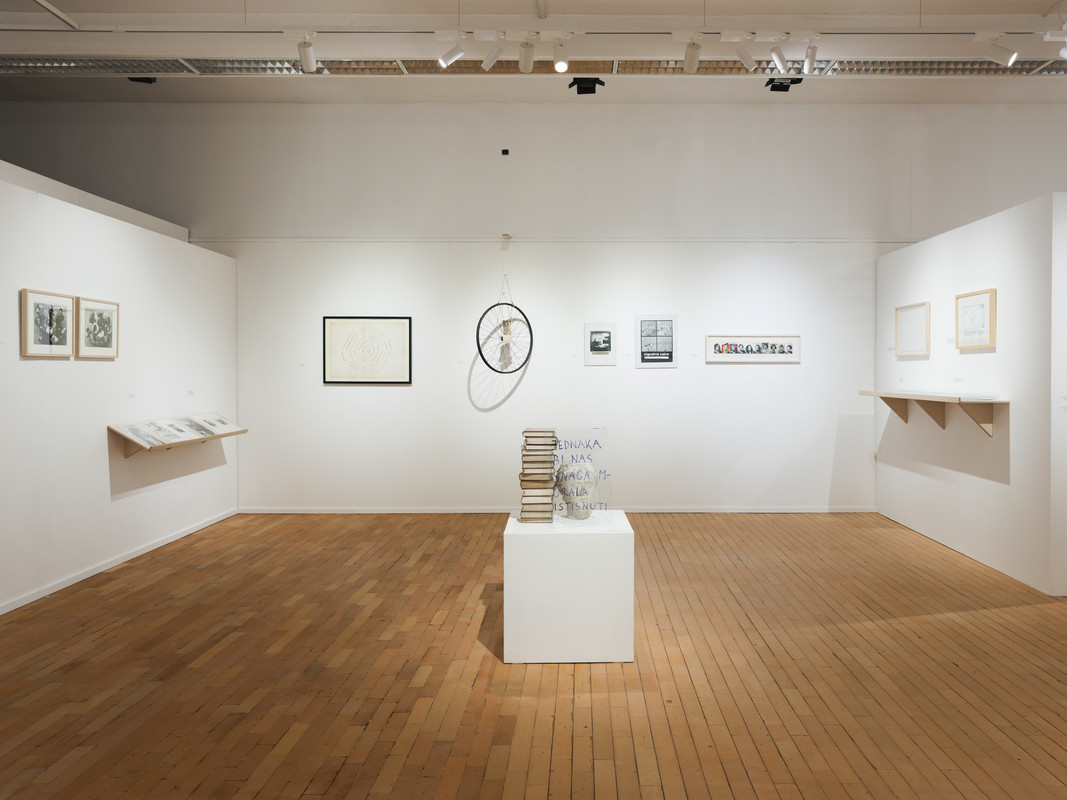
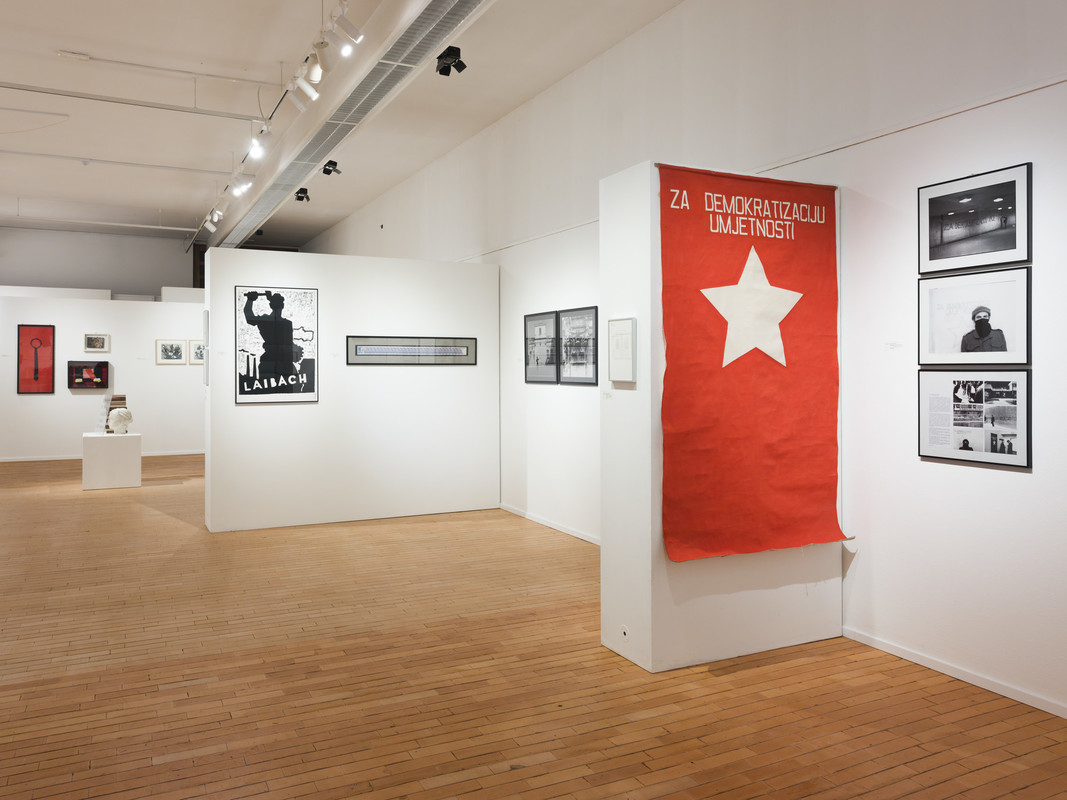
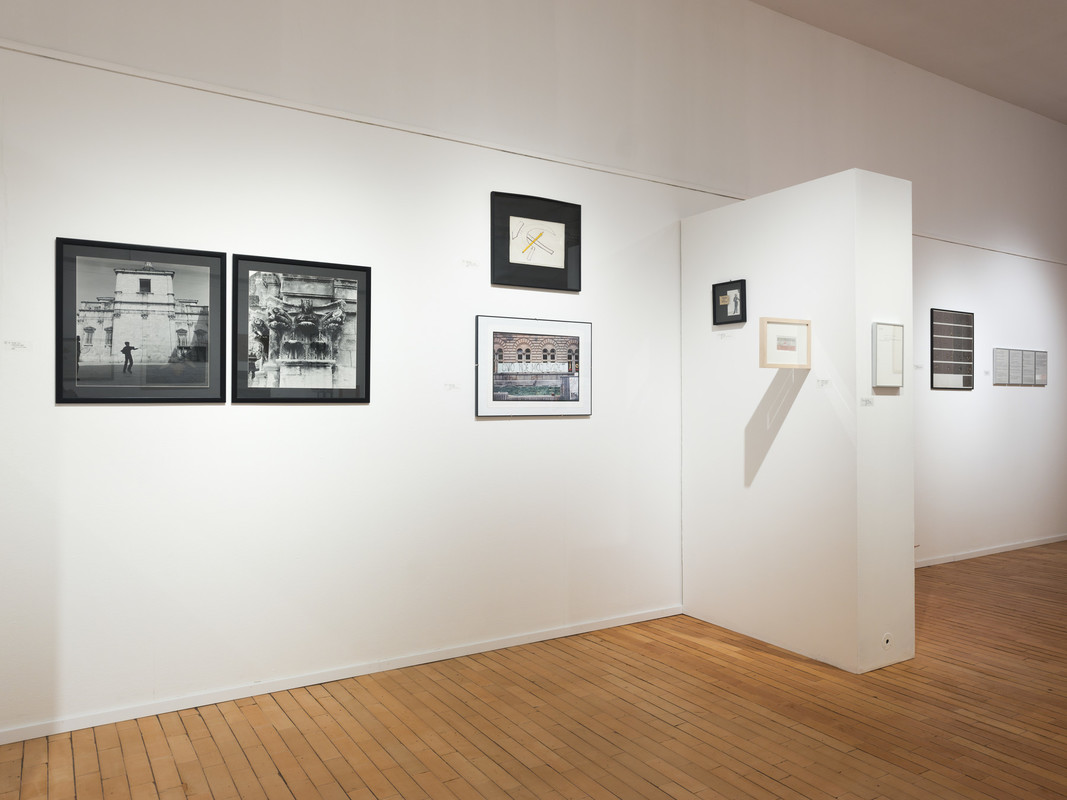
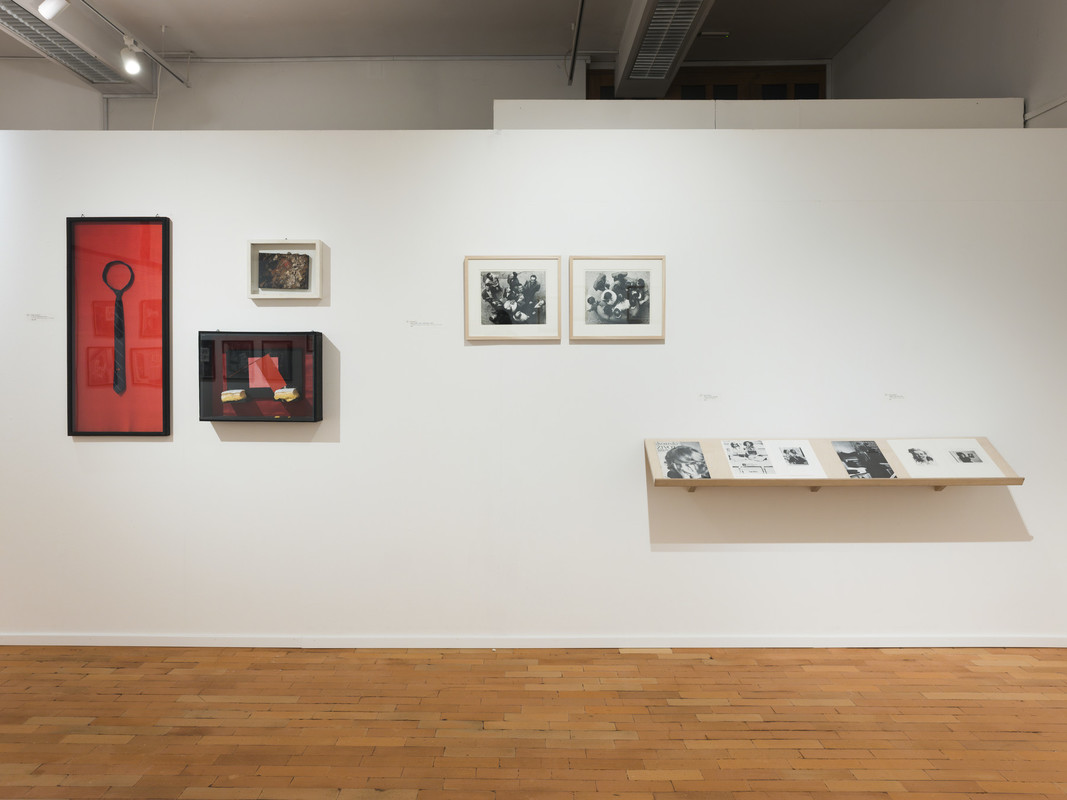
For the Democratisation of Art – Revisited. Radical Artistic Practices in Yugoslavia (1960–1990)
26 November 2025 — 17 May 2026
Curators: Barbara Borčić, Darko Šimičić
Artists: Marina Abramović, Branko Balić, Boris Cvjetanović, Vlasta Delimar, Braco Dimitrijević, Dubravka Đurić, Gorgona, Tomislav Gotovac, Group KÔD, Group of Six Artists, Zlatko Hajdler, Matjaž Hanžek, Sanja Iveković, Željko Jerman, Julije Knifer, Ivan Kožarić, Katalin Ladik, Laibach Kunst, Miroslav Mandić, Mangelos (Dimitrije Bašičević), Vlado Martek, Milenko Matanović, Slavko Matković, Marijan Molnar, David Nez, OHO, I. G. Plamen, Marko Pogačnik, Bogdanka Poznanović, Mirko Radojičić, Rajko Radovanović, Vladan Radovanović, Red Peristyle, Nejč Slapar, France Pibernik, Đuro Seder, Mladen Stilinović, Sven Stilinović, Josip Stošić, Bálint Szombathy, Judita Šalgo, Miško Šuvaković, Raša Todosijević, Slaven Tolj, Marija Grazio Tolj, Goran Trbuljak, Josip Vaništa
The curation of the exhibition is based on the collection of Darko Šimičić, focusing on the works of artists from the former Yugoslavia between 1960 and 1990.
It introduces viewers to the New Artistic Practice of the featured artists – painters, poets, photographers, filmmakers and performers – who experimented in all traditional artistic disciplines, while also staying open to new media forms of artistic creation. When it came to their work, they emphasised fundamental ethical stances as opposed to the visual aesthetics of modernism; to them, ethics became more important than aesthetics.
They showcased their work not only in galleries, but also through various actions in public spaces, in squares and streets – in the space between art and life. In addition, the exhibition presents the artists’ self-organisation and the creation of grassroots cultural venues, as well as a host of partnerships and collaborations that were set up in the federative state of Yugoslavia by artists themselves and by various organisations, in particular the network of student cultural centres.
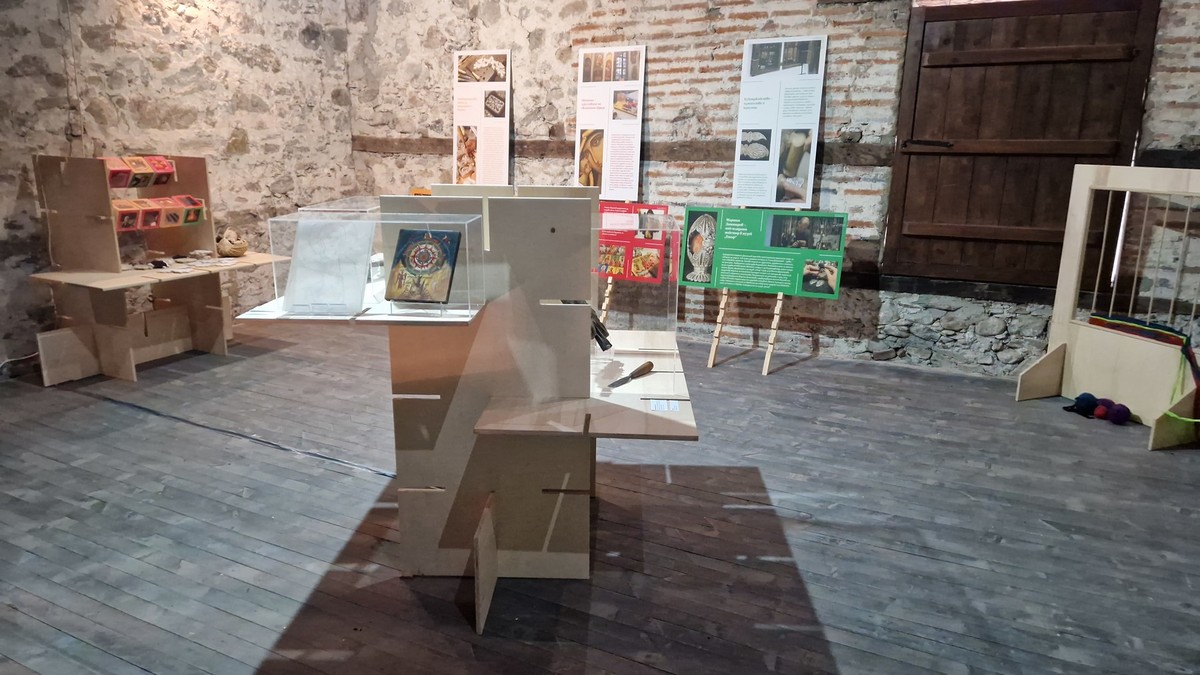
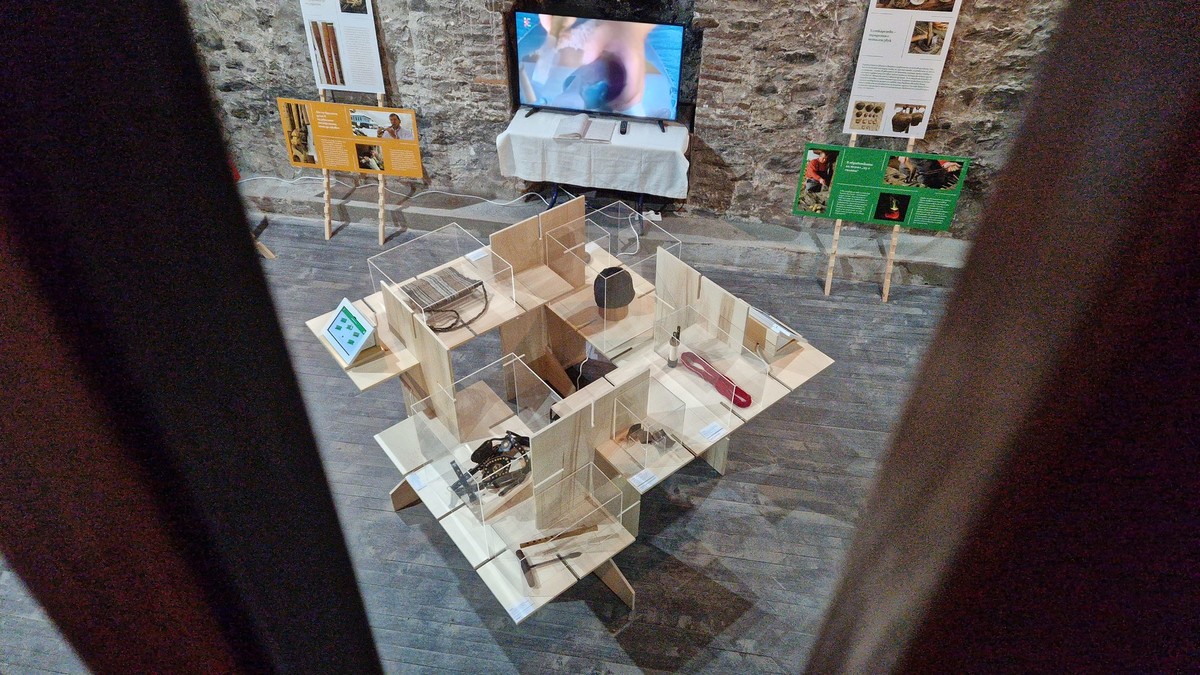
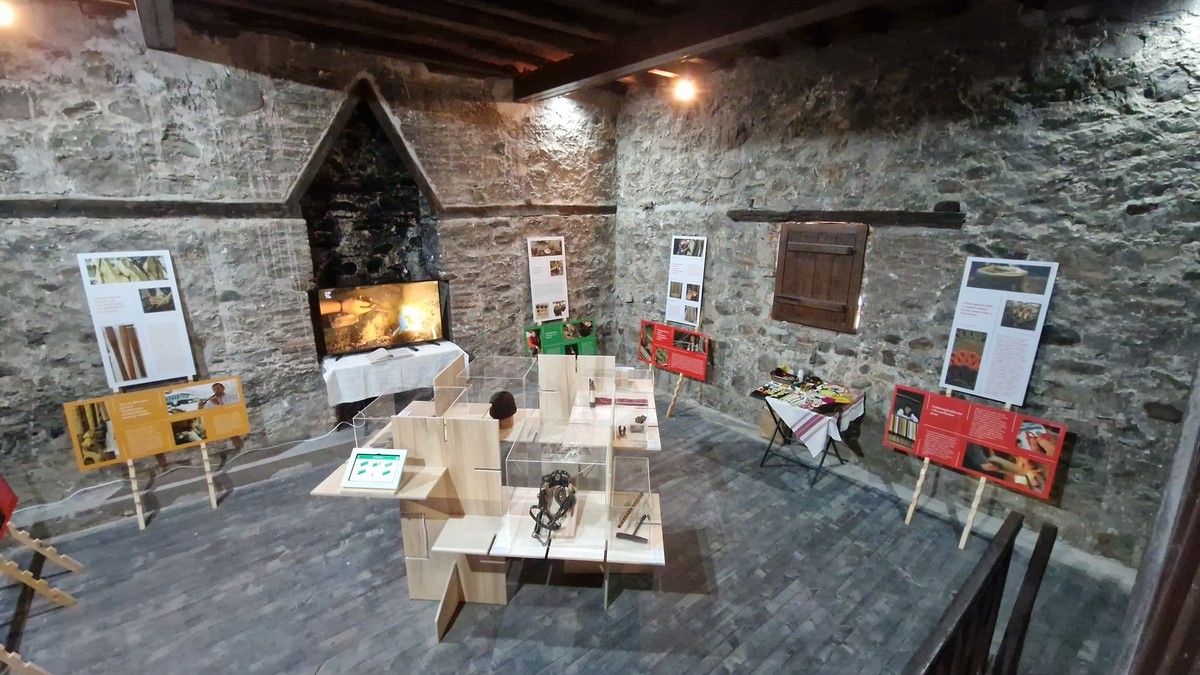
The Craftsman Heritage: Fifteen Bulgarian and Two Slovenian Stories
30 September – 29 November 2026
Exhibition team: Mojca Šifrer Bulovec, Jasna Kejžar Hartman, Saša Nabergoj, dr. Simona Žvanut, Rositsa Bineva (Regional Ethnographic Open-Air Museum Etar, Gabrovo, Bulgaria)
The exhibition will bring together Bulgarian and Slovenian craftsmen’s stories to present a single exhibition narrative that will provide visitors with an insight into common roots, diversity of artisanal techniques and modern ways of preserving artisanal skills. It will encourage the understanding of crafts as a living, creative part of cultural heritage that connects the past and the present.
The exhibition The Craftsman Heritage: Fifteen Bulgarian and Two Slovenian Stories is an extension of the exhibition project The Craftsman Heritage: 15 Stories from Etar Museum (Bulgaria), which aims to connect with the local environment and is supplemented with new exhibition materials at each new touring exhibition venue. The core of the exhibition consists of fifteen traditional Bulgarian crafts – including shoemaking, pottery, weaving, mead and honey-bread making, milling and metalworking – presented through texts, objects, tools, photographs and videos that show various craftsmen and the ways they transmit their knowledge and skills. The Bulgarian exhibition will be supplemented with two new crafts presented by the Škofja Loka Museum – basket weaving and leatherwork – which represent an important part of the history of local crafts and their modern-day continuation.
Castle Gallery and Loft Gallery
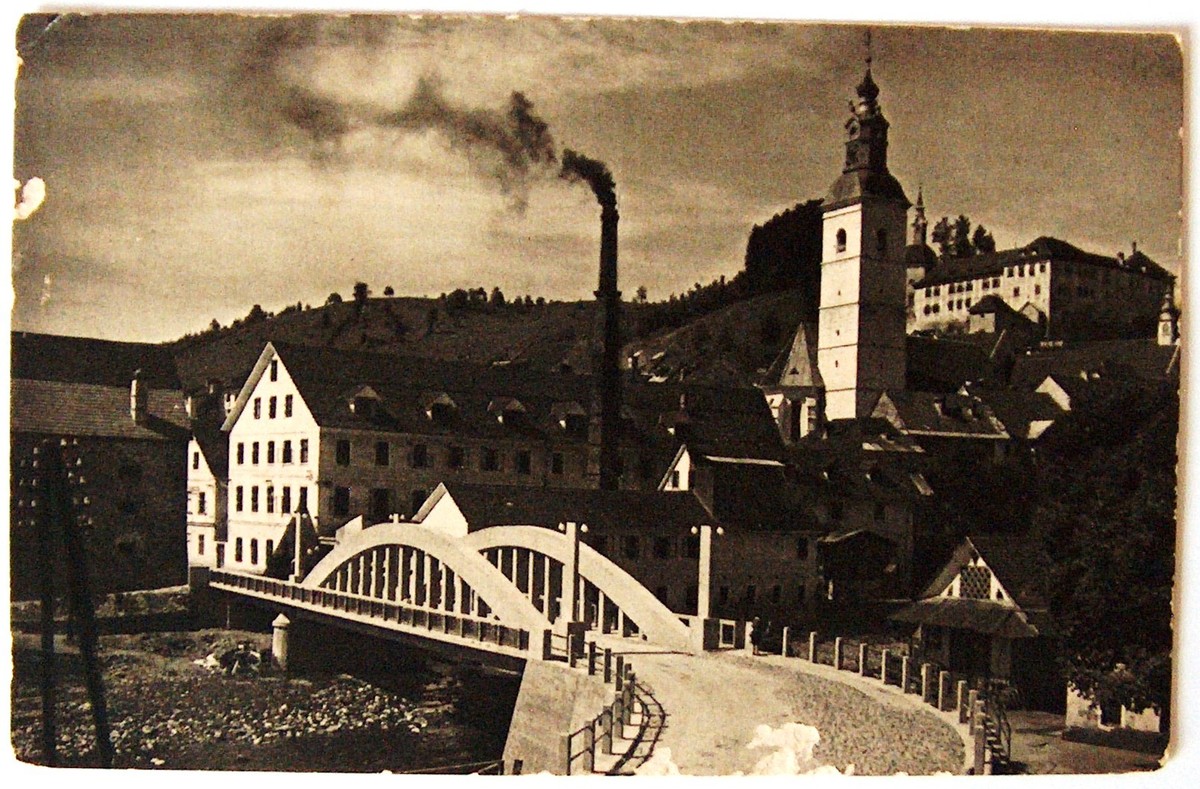
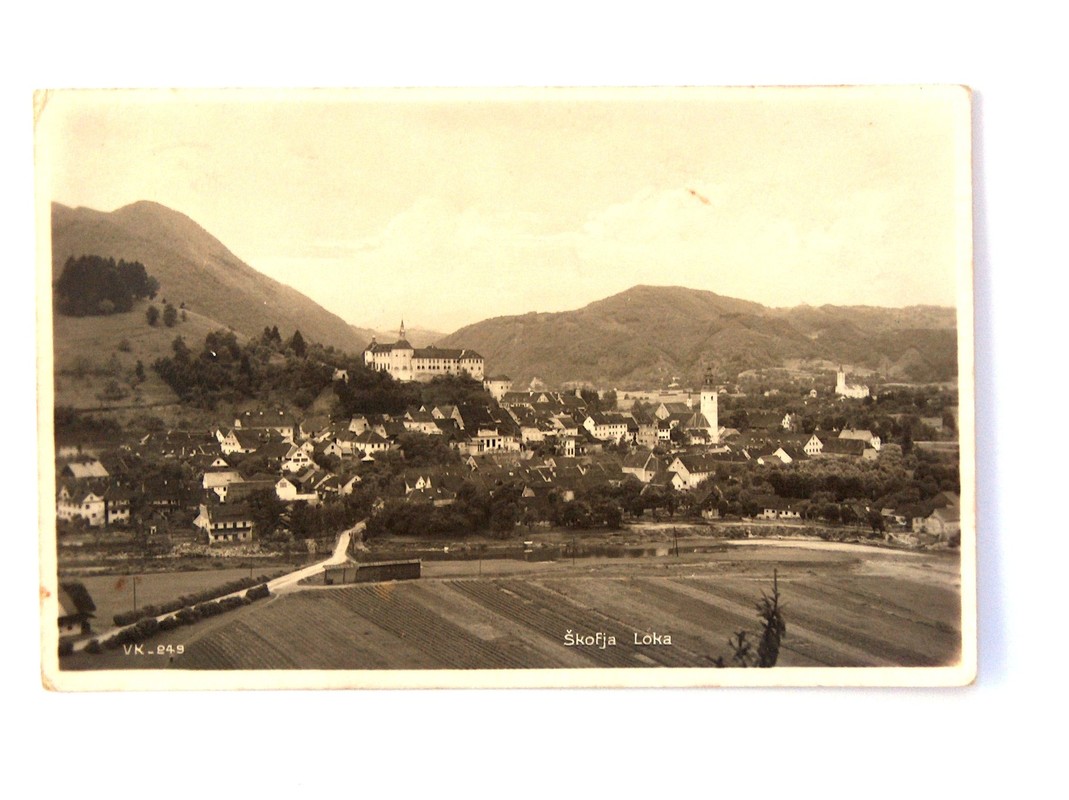
The Interwar Period in the Škofja Loka Area (1918–1941)
16 December 2026 – 26 September 2027
Exhibition team: Biljana Ristić (project leader), Anabel Černohorski, Sara Šifrar Krajnik, Benjamin Grubar, Dr Simona Žvanut
This exhibition is the fifth major project within a comprehensive overhaul of Škofja Loka Museum’s historical collections, which has been underway since 2016. The previous projects – World War I in the Škofja Loka Area (2018), From Liberation to Independence (2021), The Long 19th Century (2023) and 19th-Century Arts in the Škofja Loka Area (2024) – have established an interdisciplinary model that brings together research work, exhibition practice and a digital presentation.
The exhibition will be focused on researching and presenting the interwar period in the Škofja Loka area (1918–1941), which has yet to be systematically examined and placed in a broader context. An interdisciplinary approach will be used to explore this period from a historical, art-historical and ethnological perspective and to present it in terms of social, cultural and artistic changes. Individual topics that will be presented in more detail include political and administrative changes, industrialisation and the development of worker consciousness, developmental trends in the fields of education, healthcare, tourism and social life, selected criminal incidents and artistic creativity during the interwar period. The exhibition will feature works of art, museum objects, photographs and documents, supplemented with videos, sound recordings and spatial installations.
The exhibition will be on view in Škofja Loka Museum’s two largest galleries, which makes it the museum’s largest exhibition project to date. Special emphasis will be placed on the exhibition website as a digital museum: not just an archive, but an independent medium with enhanced exhibition content, photographic and sound materials and in-depth interpretations.
The publication of a collection of papers on this topic is planned for 2027.
Loft Gallery
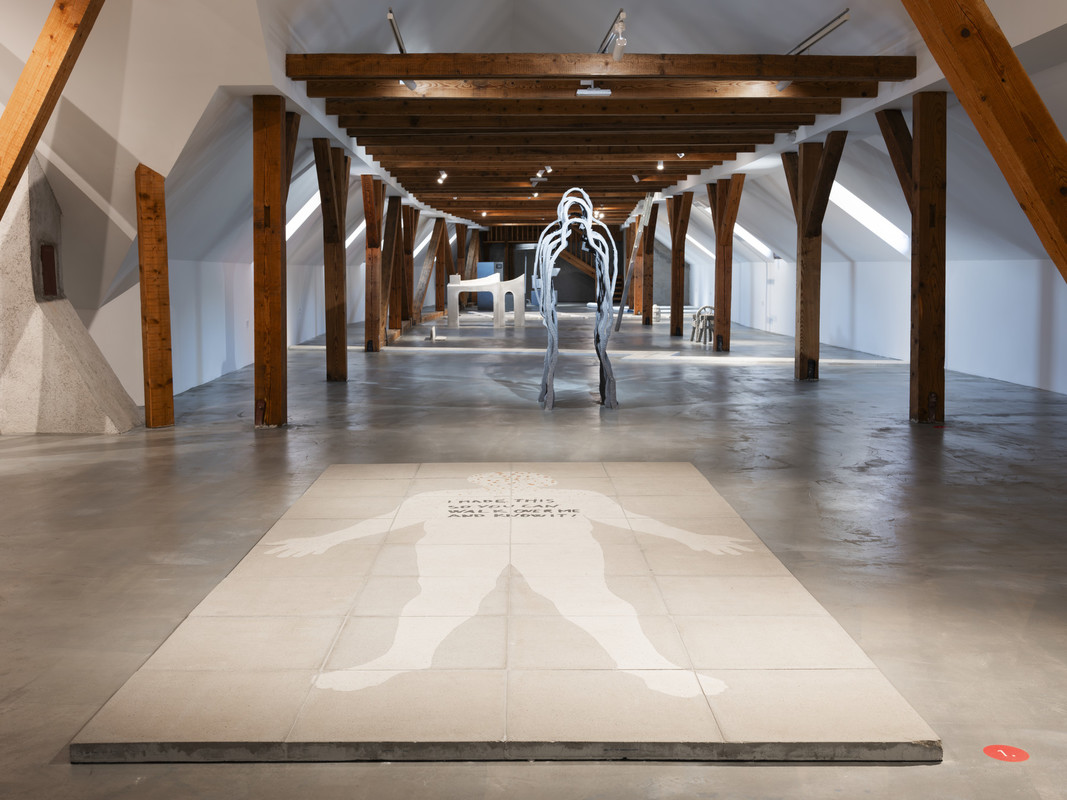
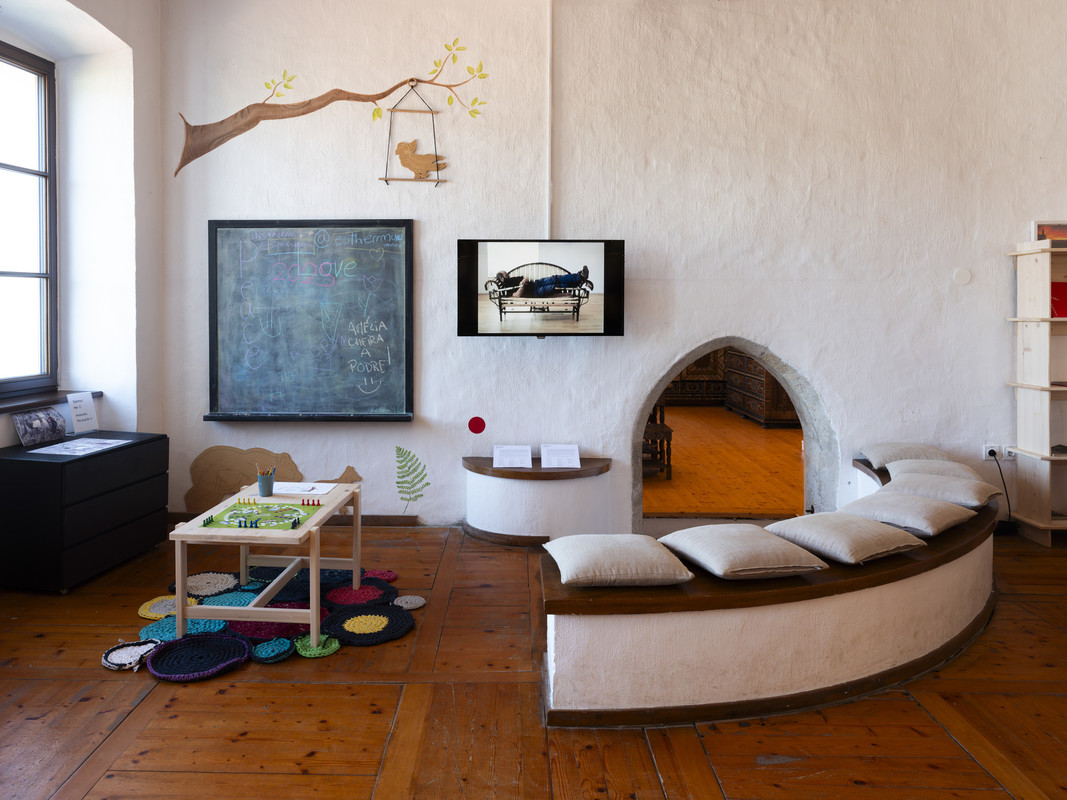
A Manual by Tomaž Furlan. Retrospective Exhibition 2005–2025
18 June 2025 — 31 October 2026
Curators: Anabel Černohorski, Saša Nabergoj
A Manual by Tomaž Furlan, on view at three locations within the Škofja Loka Castle, covers the last twenty years of the artist’s work. The Loft Gallery features a selection of his works created between 2005 and 2025. Exhibited on the ground floor of Škofja Loka Museum is Furlan’s work Book (2010), which is part of the museum’s permanent art history collection. Nearby, in the video area of the Museum’s Living Room, visitors can watch a compilation of Furlan’s video performances titled Wear I–XVII (2005–2014).
Round Tower
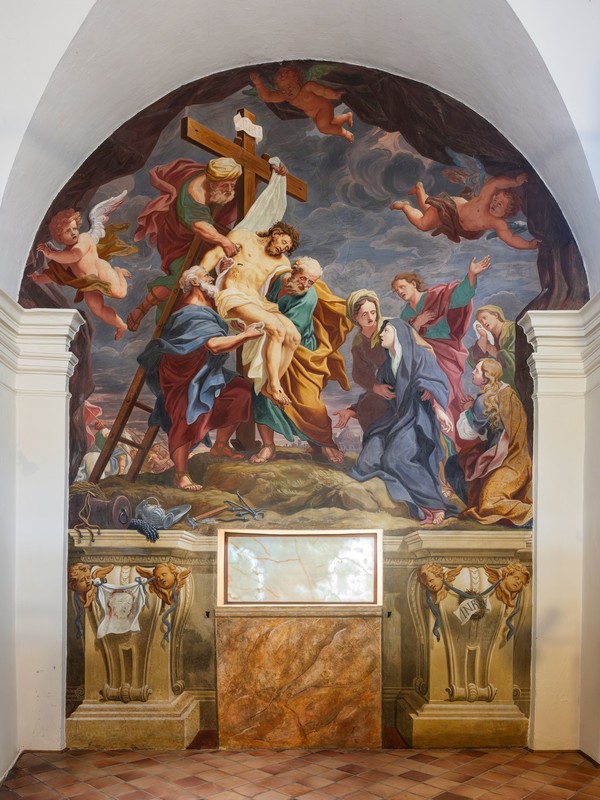
Giulio Quaglio’s Baroque Scene from Puštal: Creation, Subject and Interpretation of the Fresco The Descent from the Cross
17 December 2025 — 3 May 2026
Curator: Anja Zver
In the Chapel of the Holy Cross at the Puštal Mansion (also known as Puštal Castle or Manor), Baroque painter Giulio Quaglio from Laino in the Italian region of Lombardy painted the fresco The Descent from the Cross in 1706. The fresco was commissioned by the nobleman Marko Oblak of Wolkensperg, who had bought the Puštal seigniory in 1696, thus acquiring an important work of art for its mansion. Quaglio was the most prominent master of Baroque fresco painting in the historical region of Carniola and his style greatly influenced Slovenian 18th-century painters.
The Bukovščica Case Study
13 May – 31 October 2026
Curators: Jože Štukl, Jerica Brečić, Dr Simona Žvanut
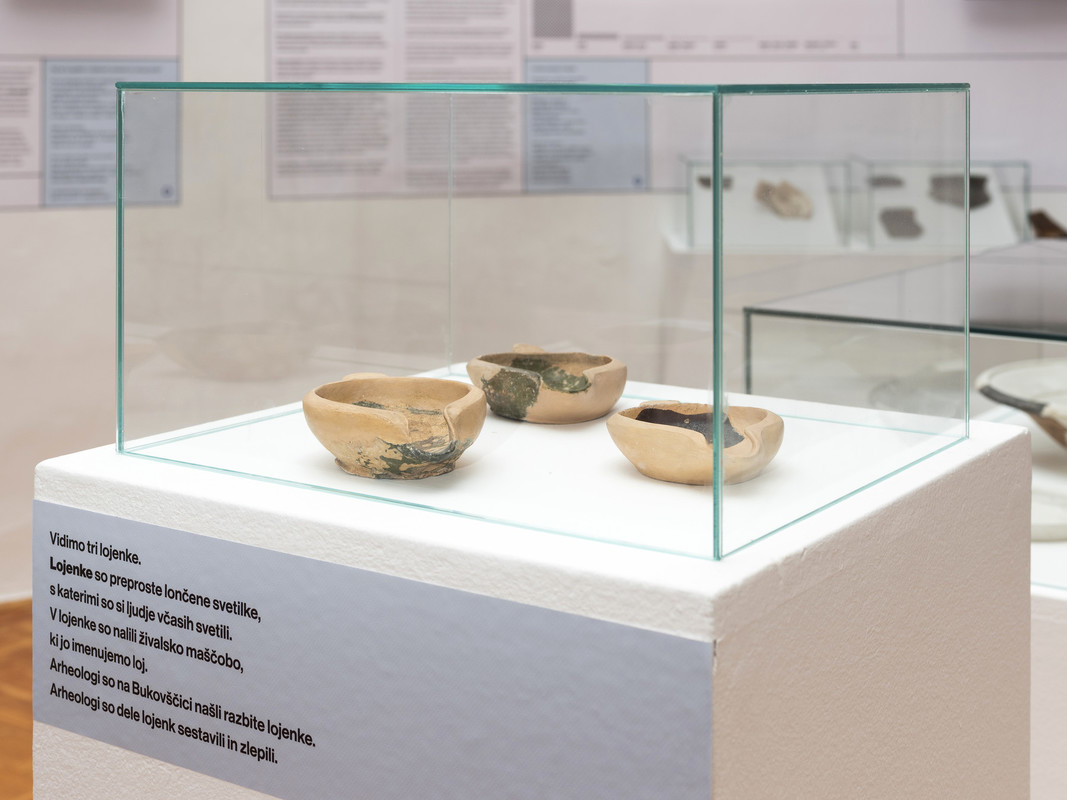
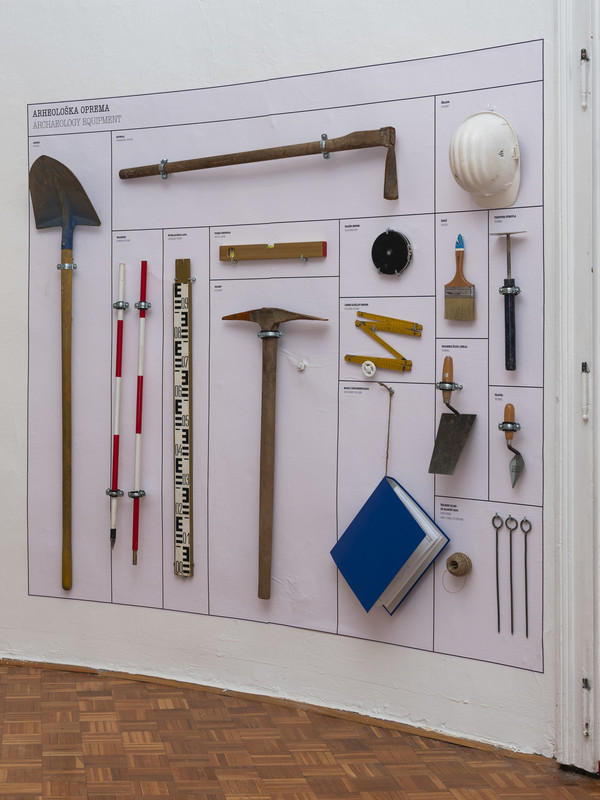
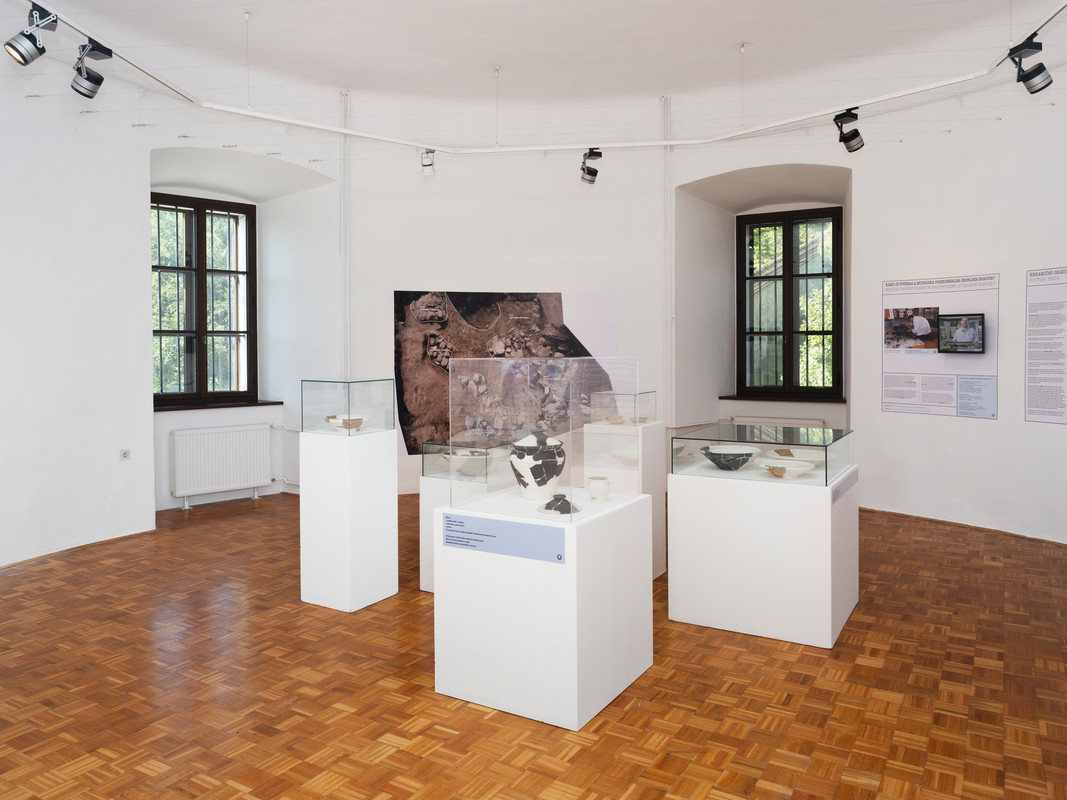
Between 2010 and 2011, archaeological excavations were carried out in Bukovščica in the Municipality of Škofja Loka. During the excavations, archaeologists discovered remains of a settlement dating back to the early modern period. The exhibition presents the archaeological methods that were used to research this small site in the Selca Valley.
The exhibition, which was already on display in 2025, will be on view once again, providing visitors with an insight into the archaeological research conducted in Bukovščica and the research results.
To increase the accessibility of the exhibition content, the exhibition texts will also be available in easy-to-read format, the video contents will be subtitled, and specially marked objects will be on display for the visitors to touch.
Marjan Žitnik, Industrial Designer (Permanent Exhibition)
11 November 2026 –
Curators: Žan Kobal, Tamara Lašič Jurković, Dr Simona Žvanut
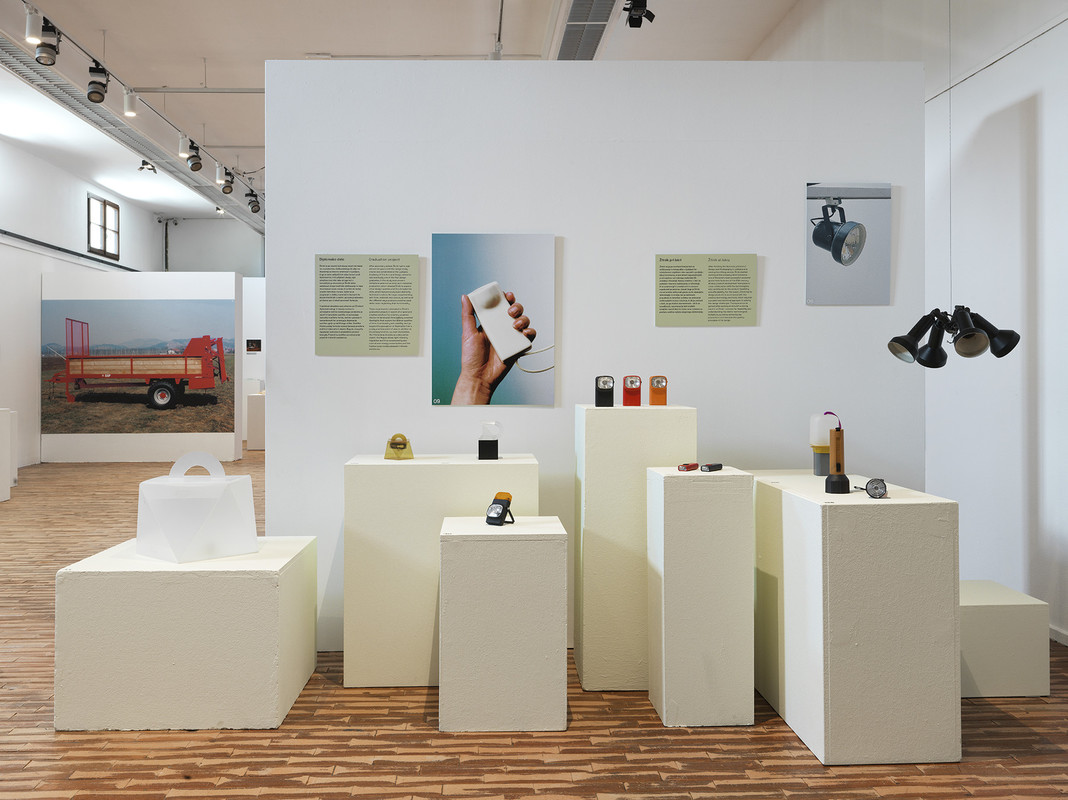
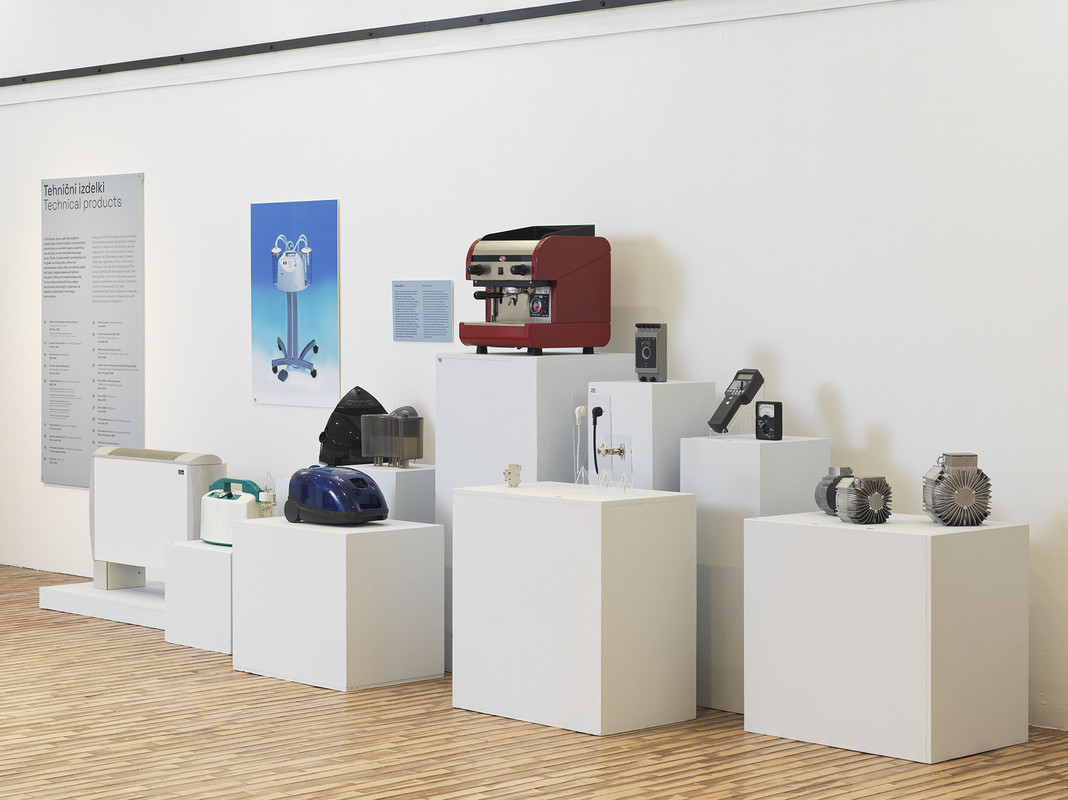
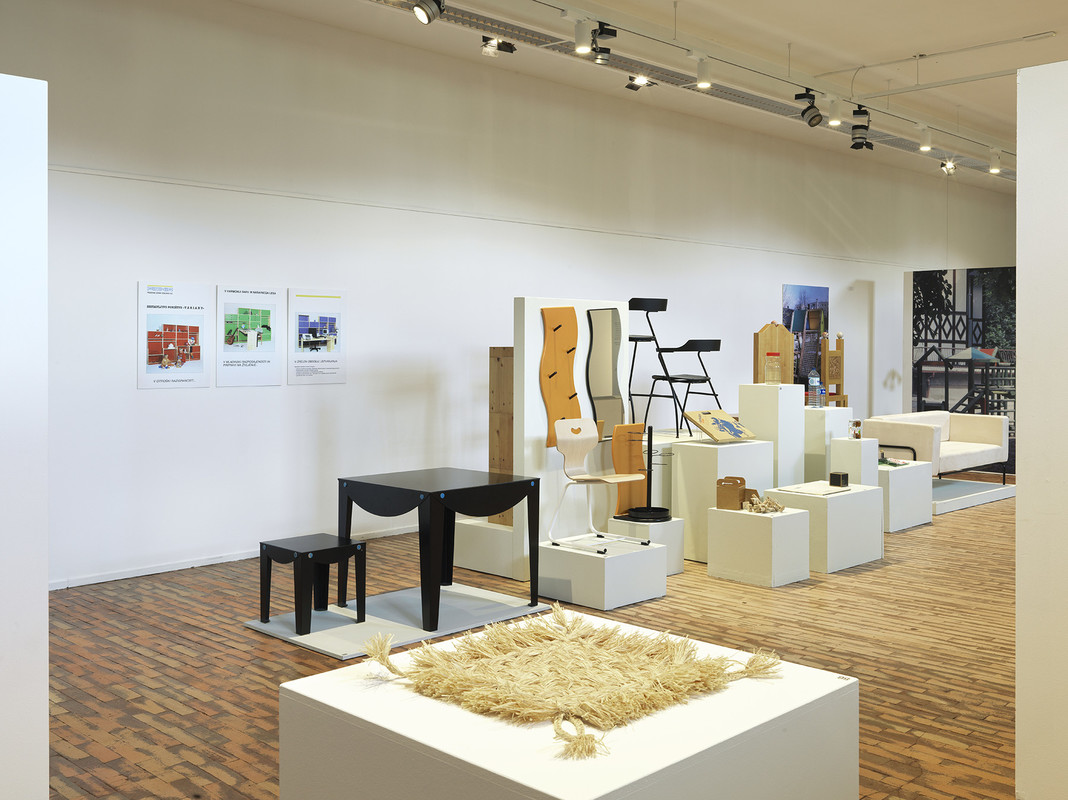
In 2022, Marjan Žitnik, one of Slovenia’s most prolific industrial designers, donated his entire oeuvre to the Škofja Loka Museum. In 2023, in collaboration with two external experts (Žan Kobal, Tamara Lašič Jurković), the museum prepared a monograph and exhibition Marjan Žitnik, Industrial Designer, which was the first retrospective exhibition of Žitnik’s work and also Škofja Loka Museum’s first exhibition from this field.
With a new display of selected Žitnik’s works, the museum’s permanent collections with be expanded to a new field of industrial design. This will bring new opportunities for interdisciplinary research and interpretation of museum objects from older periods and contemporary works of art, actualisation, as well as new perspectives for the development of discursive programmes, e.g. design and sustainable development, the importance of design-related heritage etc.
In part, the permanent exhibition will be changed on an annual basis, i.e. objects from Žitnik’s extensive oeuvre, texts and perspectives on the topics in question will be exchanged for others, including objects by other invited designers, which will put his work into dialogue and place it in a broader design context. In doing so, the display concept will be maintained, including the concept of modular exhibition equipment, created especially for this exhibition.
The exhibition texts will also be available in easy-to-read format, thus making the content more accessible to visitors with reading difficulties.
Ivan Grohar Gallery
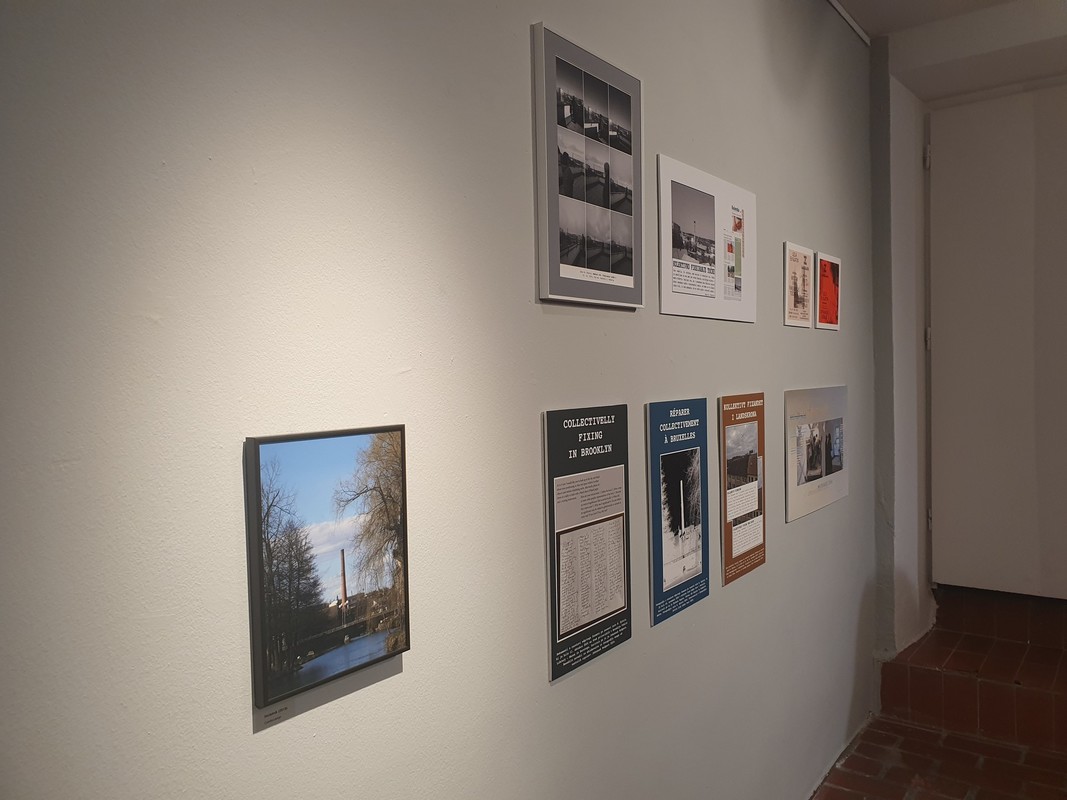
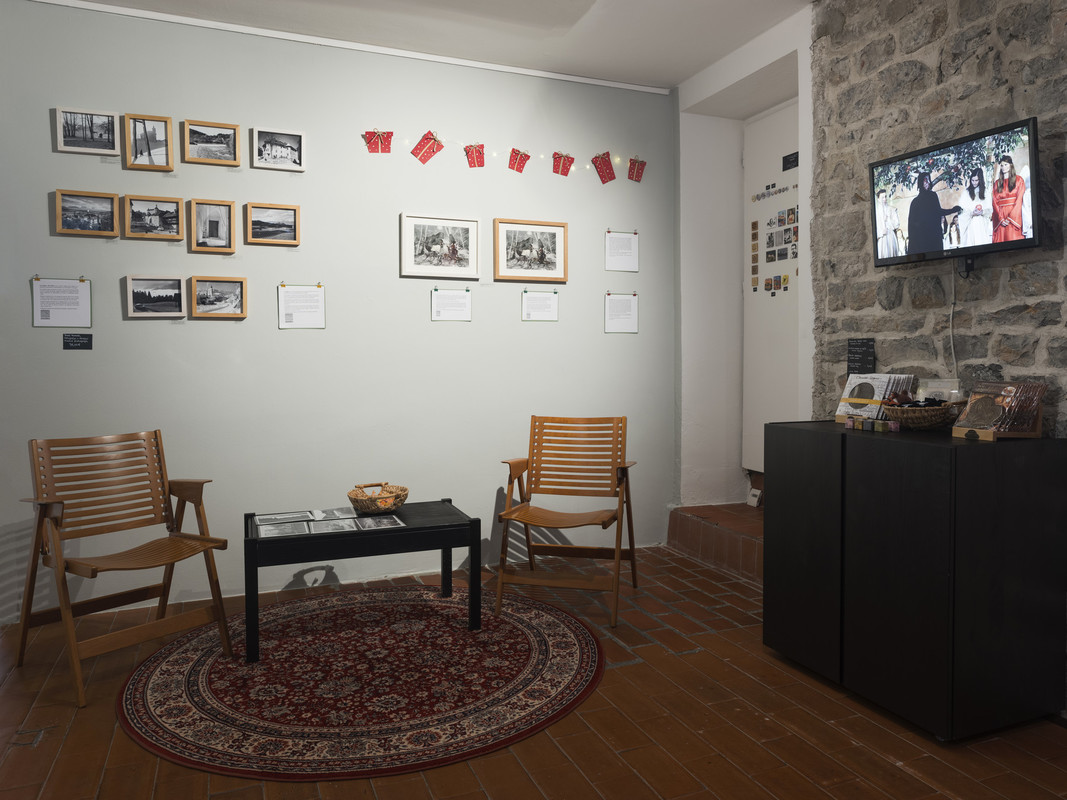
The Ivan Grohar Gallery is one of the central exhibition venues for contemporary art in this region. The exhibition cycle Contemporary Tendencies, started in 2020, comprises an annual series of five exhibitions characterised by well-thought-out curation and display, accompanying programme focused on the exhibiting artist and the presentation of their work processes, and a curatorial statement; the annual cycle presents the interdisciplinary nature of contemporary artistic practices in a comprehensively and meticulous way, thus breaking down prejudices towards contemporary art.
The Ivan Grohar Gallery was founded in 1989 by members of the Škofja Loka Artists’ Association. Since 2000, the programme of the gallery, which now operates as part of the Škofja Loka Museum, has been created in cooperation with the association. Every year, the association selects two exhibitors from among its members. One of the exhibition slots is dedicated to the winner of the Ivan Grohar Award or the recipient of the Ivan Grohar Scholarship.
Due to its special spatial features and its location in Škofja Loka’s Town Square, the gallery allows direct contact with visitors, with receptionists, who also double as gallery attendants, playing an important role.
PROGRAMME 2026
Lela B. Njatin: 73 Km from Kočevje
28 January – 22 March 2026
Curator: Anabel Černohorski
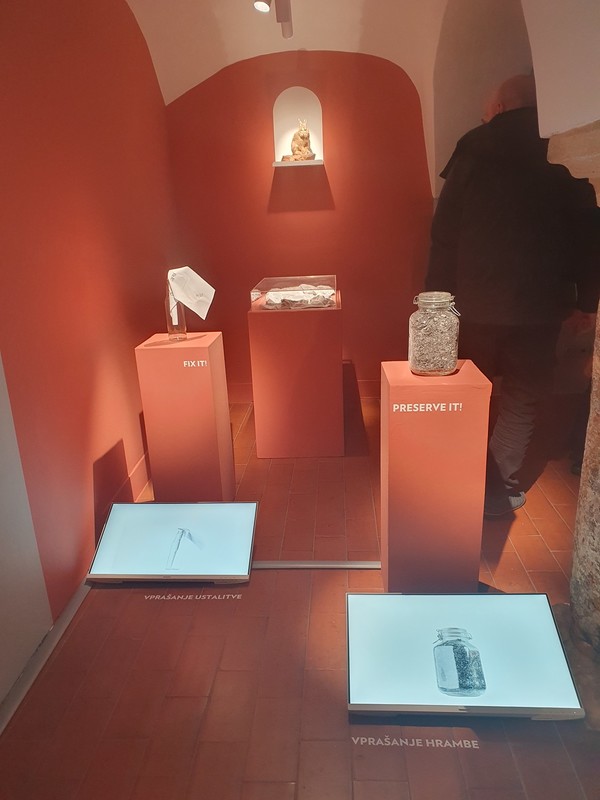
The exhibition 73 Km from Kočevje was inspired by the most catastrophic industrial accident in the history of independent Slovenia, which could have fatally linked the towns of Kočevje and Škofja Loka. The exhibition uses various ways to highlight the local inhabitants’ post-accident testimonies, which were overshadowed by official explanations of this disaster. It features an artist book, a video and the objects created on the basis of Lela B. Njatin’s performance and statements the locals entrusted her with immediately after the event. In collaboration with other artists and cultural institutions, the artist created a space that emphasises the role art plays in preserving memory and addressing environmental and social issues, drawing on the heritage of conceptual practices of the 1960s and 1970s.
Oliver Pilić
1 April – 17 May 2026
Curator: Kristina Ferk
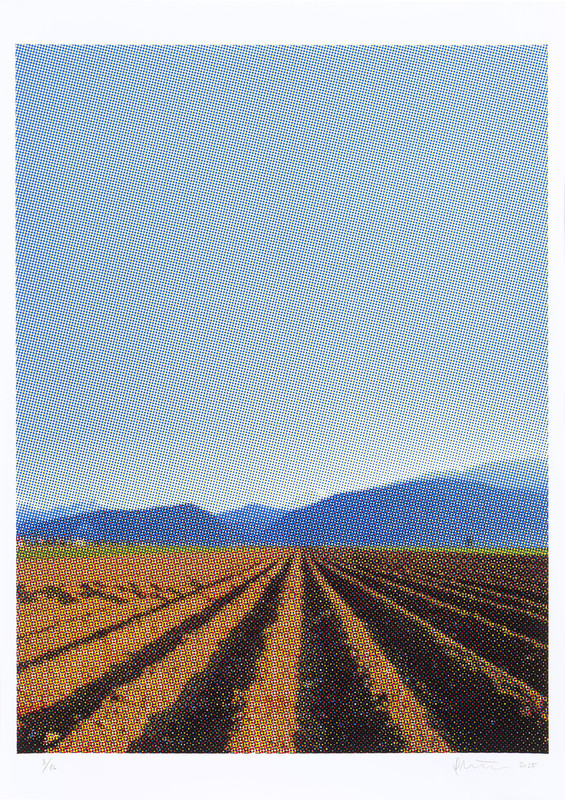
Oliver Pilić’s work is based on graphic arts media. He appropriates visual materials found online and then uses various digital processing procedures to transform them, before turning them into graphic art, most often traditional woodcuts. His works raise questions of control, freedom, and the visual culture of contemporary society, often turning to iconic works and references from art history.
Agata Pavlovec
27 May – 19 July 2026
Curator: Kristina Ferk
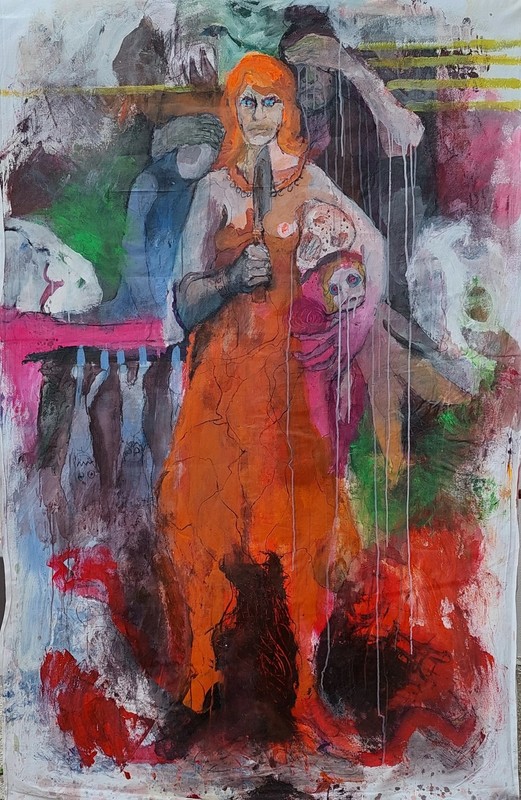
Agata Pavlovec is a visual artist, teacher and member of the Škofja Loka Artists’ Association. She works primarily in the fields of painting and illustration. Her artistic practice moves between abstraction and figuration, and her painting is characterised by expressive features. As part of the solo exhibition at the Ivan Grohar Gallery, she will showcase a selection of her recent works focused on exploring the dark, often silenced sides of human experience.
Andrej Tarfila (Recipient of the Ivan Grohar Scholarship)
29 July – 13 September 2026
Curator: Miha Colner
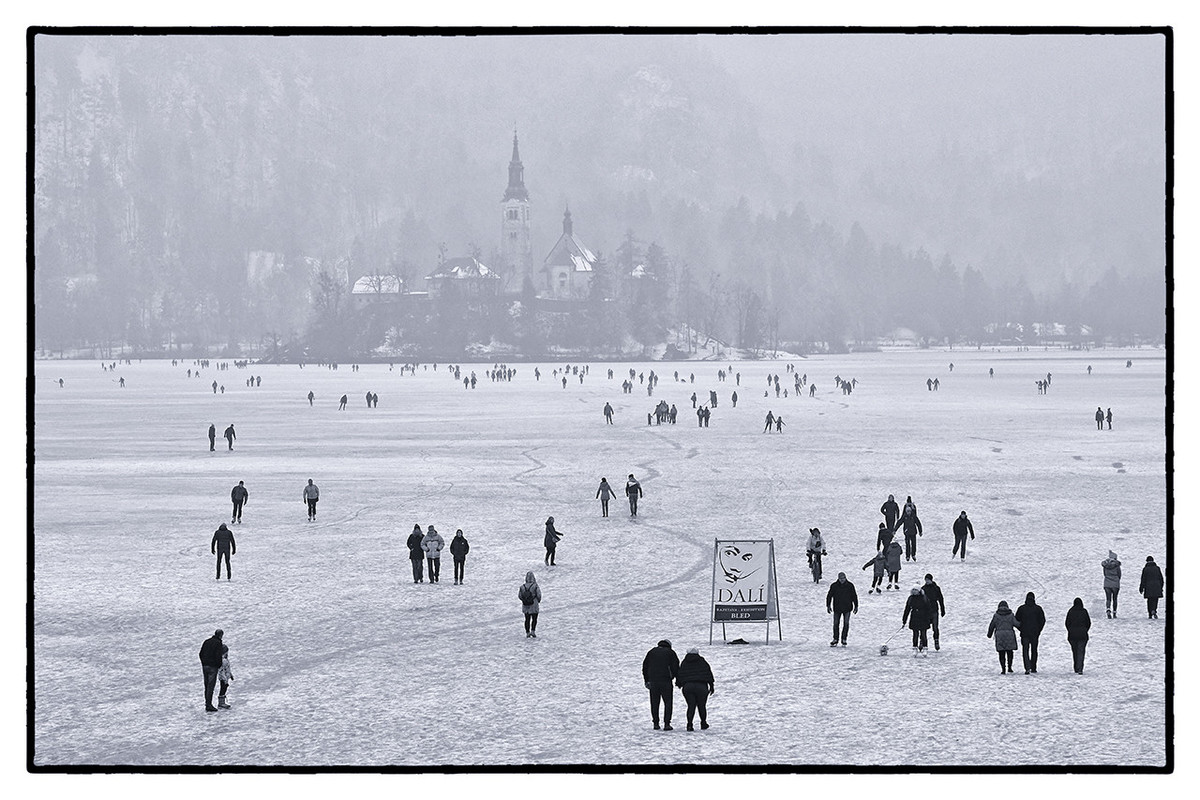
Andrej Tarfila, a member and former chairman of the Škofja Loka Artists’ Association and a recipient of the Ivan Grohar Scholarship, is a photographer specialised in landscape and documentary photography, as well as everyday scenes. Tarfila’s photographs regularly appear in Slovenian and international media. The focus of the exhibition will be his artistic photographic practice.
Tomo Savić Gecan
23 September – 22 November 2026
Curator: Saša Nabergoj
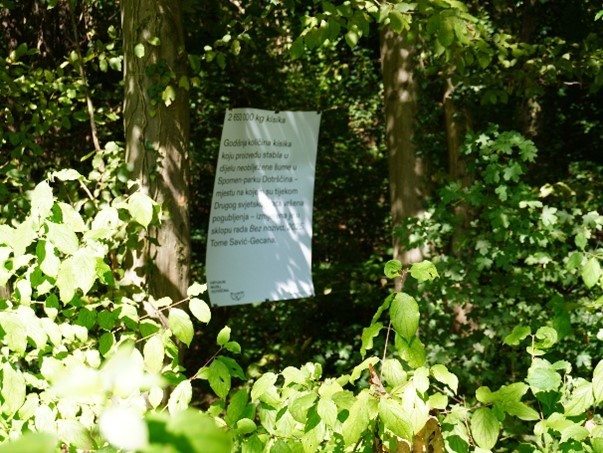
The world-renowned artist Tomo Savić-Gecan, Croatia’s representative at the 2022 Venice Biennale, who lives and works in Amsterdam, creates non-material, spatial and conceptual works that establish a dialogue between the venue, the viewers and the absence of an art object. For the Ivan Grohar Gallery, the artist will create a new spatial intervention, adapted to this specific gallery space.
Windows of Imagination 2026
2 December – 17 January 2027
Like in the past years, the Ivan Grohar Gallery will host a sales exhibition, featuring artworks by local artists, as well as products and souvenirs from the museum shop, inspired by Škofja Loka Museum’s collections and exhibitions.
Started in 2015, Windows of Imagination is a collaborative initiative that brings together organisations and individuals from Škofja Loka’s creative and cultural scene every December. Visitors are invited to take a walk around Škofja Loka’s old town, visit the sales exhibitions, chat with the participating artists, and choose some thoughtful gifts with a personal touch. The products are made by local artists with lots of love and attention to detail. Visiting the Windows of Imagination encourages conscious shopping.
Fokus
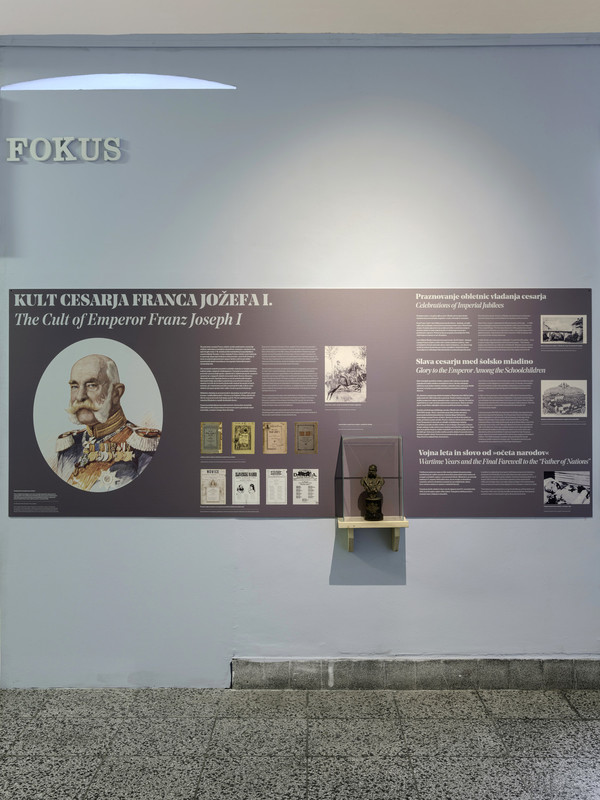
The Fokus exhibition programme presents Škofja Loka Museum’s new acquisitions and selected objects kept at the museum’s storage facility or highlights certain exhibits from the permanent collections. The permanent Fokus spot is an exhibition area next to the main entrance, located right before visitors enter the museum collections, while the mobile Fokus spot moves around the museum, as each year the focus is on a few objects that are part of the permanent collections.
Two Fokus editions will be dedicated to presentations of new research into the materials obtained during archaeological excavations at the Bukovščica site, thereby further expanding the content of the exhibition The Bukovščica Case Study.
Facsimile of the Manuscript of the Škofja Loka Passion Play
March - May
Curator: Jože Štukl
The exhibition will present the Škofja Loka Passion Play, which is considered the oldest preserved dramatic text in the Slovenian language. It will recount the history of the Passion Play performances and highlight the difficulties in dating the text. The focus will also be on the facsimile of the Škofja Loka Passion Play, which was printed in 1972 on the millennial anniversary of the Škofja Loka Seigniory.
The Bukovščica Case Study: Pottery Marks
May – July
Curator: Jože Štukl
Pottery marks that were discovered on the bottom of two cooking pots and are unusual for our region will be presented in more detail. They were most likely brought over here from the area of the present-day Austrian state of Styria.
The Bukovščica Case Study: Majolica
July – October
Curator: Jože Štukl
The focus will be on a majolica jug found at the Bukovščica site. This find stands out because usually this type of serveware belongs to a bourgeois environment, this particular find, however, was excavated in a rural context.
New Acquisition of the Art History Collection
October – December 2026
Curator: Anabel Černohorski
A new acquisition of Škofja Loka Museum’s Art History Collection will be presented.
Hat Making in Škofja Loka During the Interwar Period
December 2026 – March 2027
Curator: Mojca Šifrer Bulovec
The Fokus will present the hats worn by the inhabitants of Škofja Loka during the interwar period, how they were made (in local hat maker’s workshops, by the Šešir Hat Factory) and the hat-wearing etiquette.
Gallery at the Church of the Annunciation in Crngrob
The Sunday Christ fresco from the Church of the Annunciation in Crngrob


17 June – 4 October 2026
Curators: Anabel Černohorski, Mojca Šifrer Bulovec, Dr Simona Žvanut
The project Sacred Heritage Connects and Enriches aims to build on the content, programmes and events focused on the preservation of cultural heritage that were prepared as part of the project Around the Crngrob Church.
As part of the project Sacred Heritage Connects and Enriches, the Škofja Loka Museum will prepare an interdisciplinary exhibition about the fresco titled Sunday Christ.
The Church of the Annunciation in Crngrob is one of the largest fresco-art monuments in Slovenia. Throughout its long and eventful architectural history, the church has featured various frescoes created between the late 13th century and the second half of the 19th century. Some of them are well preserved, while others are either difficult to recognise in situ or exist only as replicas in museums. The exhibition will present the best-known fresco, Sunday Christ, which dates back to the mid-15h century and is located on the west-facing church façade.
The exhibition will be on view in the fresco’s original environment, in the gallery at the Church of the Annunciation in Crngrob. It will present the fresco as a whole and the individual fresco scenes from both an ethnographic and art historical perspective. It will also present the conservation and restoration work done so far.
The exhibition texts will also be available in easy-to-read format, making the content more accessible to visitors with reading difficulties.