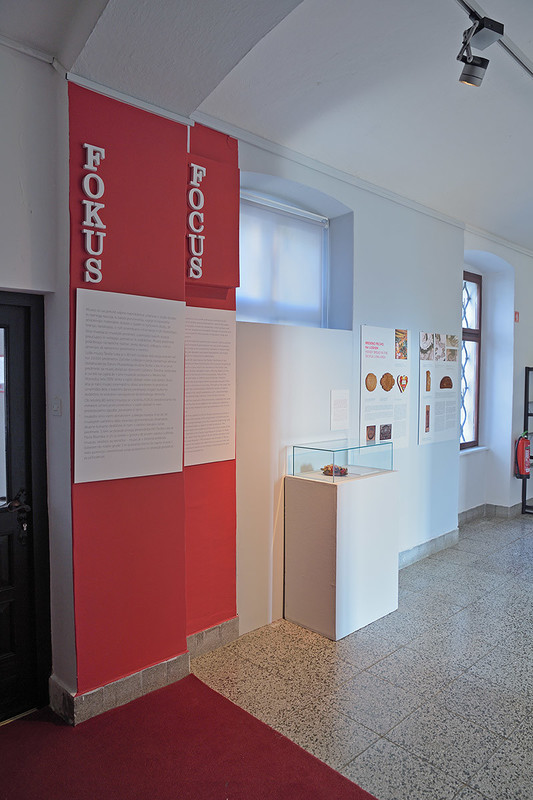
Honey bread in the Škofja Loka area
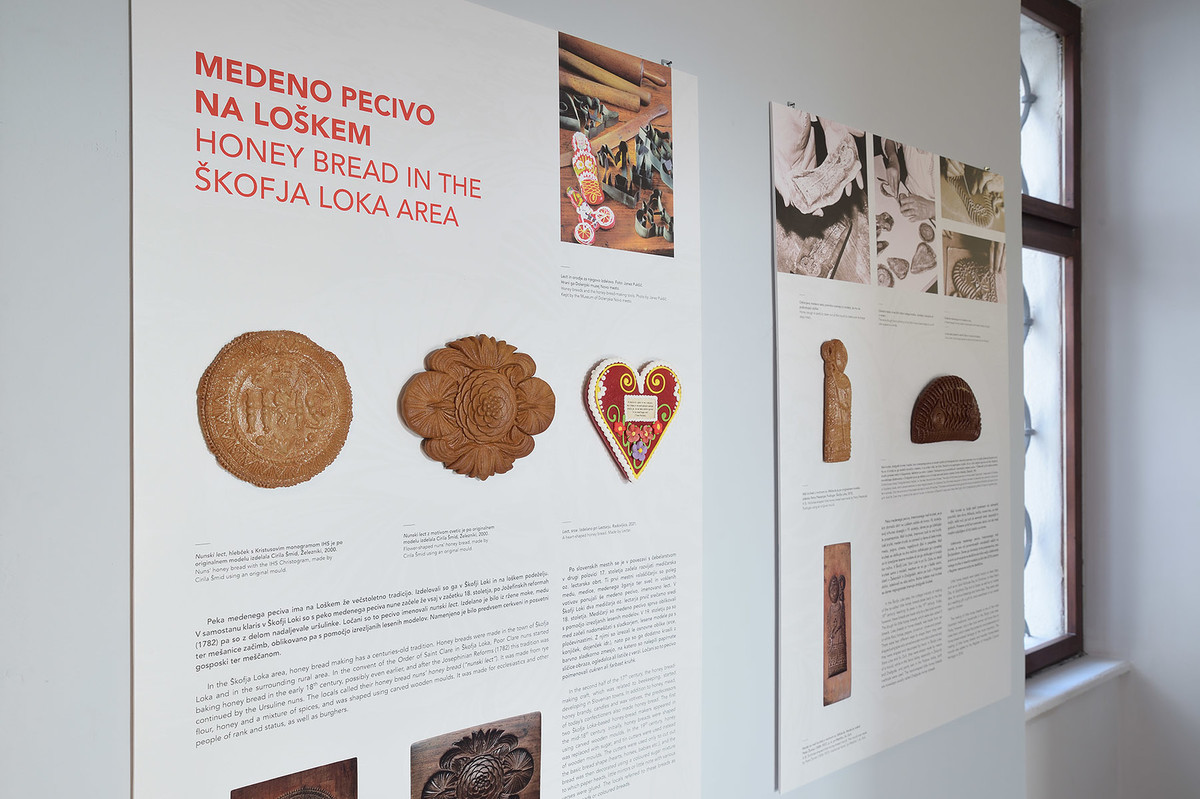
In the Škofja Loka area, honey bread making has a centuries-old tradition. Honey breads were made in the town of Škofja Loka and in the surrounding rural area.
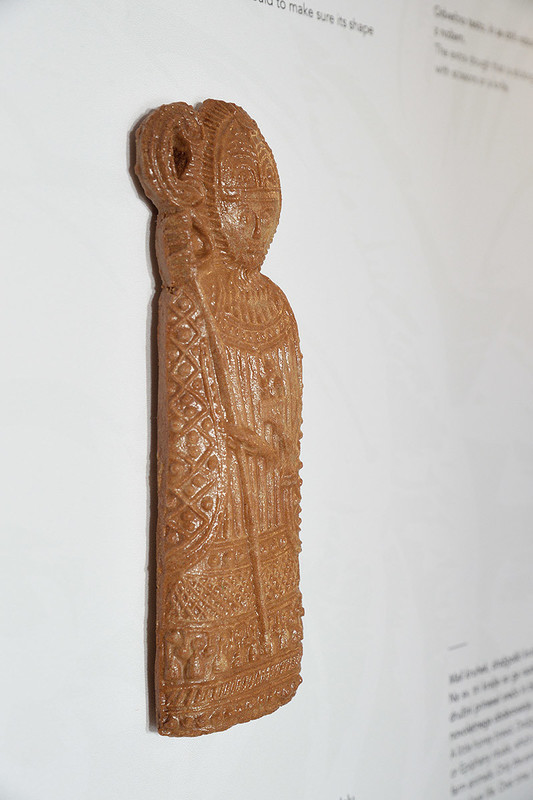
In the convent of the Order of Saint Clare in Škofja Loka, Poor Clare nuns started baking honey bread in the early 18th century, possibly even earlier, and after the Josephinian Reforms (1782) this tradition was continued by the Ursuline nuns. The locals called their honey bread nuns’ honey bread (“nunski lect”). It was made from rye flour, honey and a mixture of spices, and was shaped using carved wooden moulds. It was made for ecclesiastics and other people of rank and status, as well as burghers.
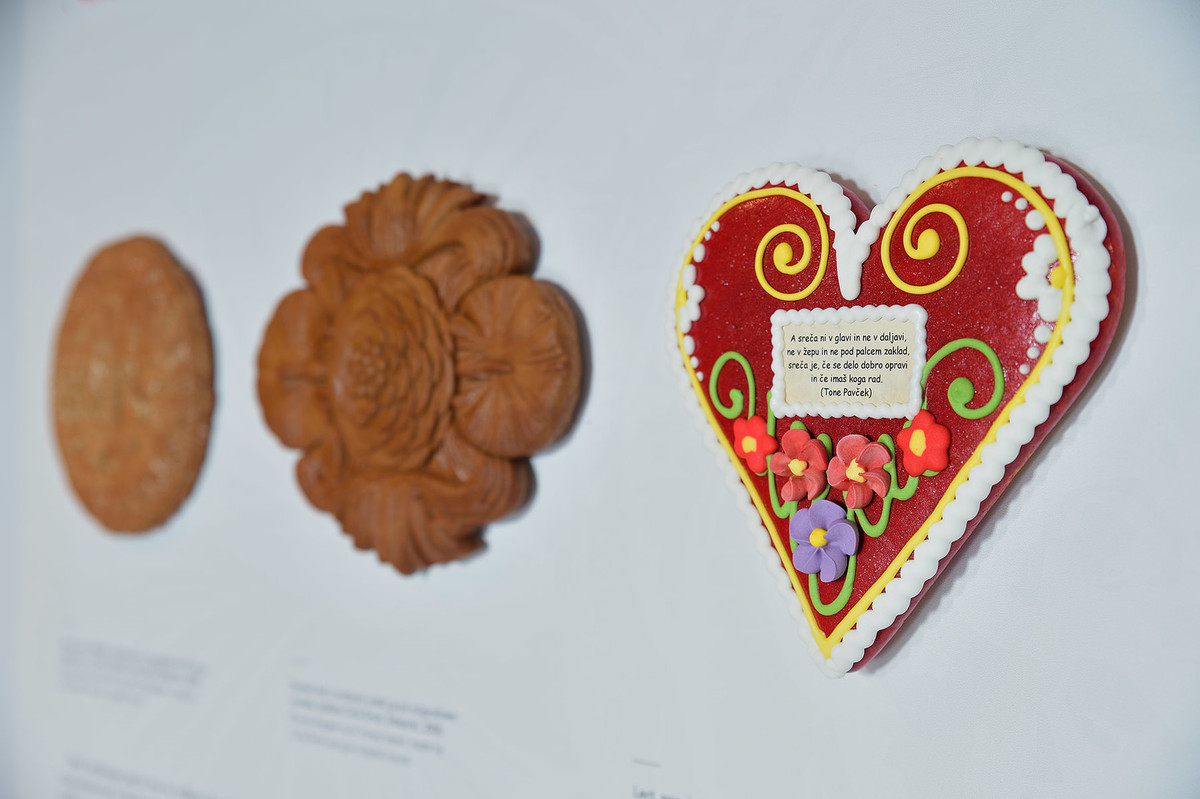
In the second half of the 17th century, the honey bread-making craft, which was related to beekeeping, started developing in Slovenian towns. In addition to honey, mead, honey brandy, candles and wax votives, the predecessors of today’s confectioners also made honey bread. The first two Škofja Loka-based honey-bread makers appeared in the mid-18th century. Initially, honey breads were shaped using carved wooden moulds. In the 19th century, honey was replaced with sugar, and tin cutters were used instead of wooden moulds. The cutters were used only to cut out the basic bread shape (hearts, horses, babies etc.), and the bread was then decorated using a coloured sugar mixture to which paper heads, little mirrors or little note with various verses were glued. The locals referred to these breads as sugary breads or coloured breads.
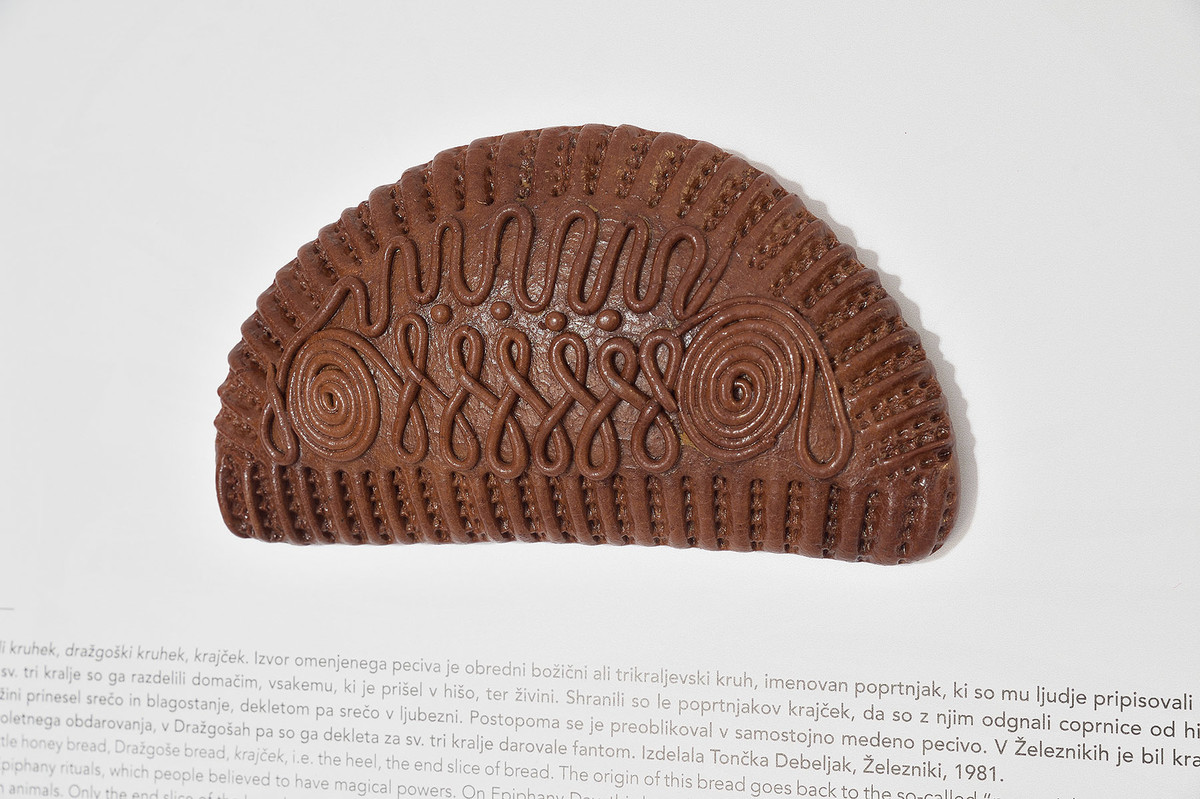
In the Škofja Loka area, the cottage industry of making of the so-called little honey breads dates back to the late 18th century, reaching its peak in the 19th century. Today, however, these breads are made only by a few local women. The dough for little honey breads, which were also called lil breads, Loka breads or honey breads, was made from rye or white flour, honey, pepper, cinnamon, cloves and potash. There were two different ways to shape them: they were shaped using specially carved wooden moulds or alternatively they were shaped and decorated by hand. In Škofja Loka, Stara Loka and Sv. Duh, they were always made by means of a mould, while in the Selca Valley, especially in Železniki and Dražgoše, and partly also in the Poljane Valley, both methods were used. The hand-shaped little honey breads are nowadays usually called Dražgoše honey breads.
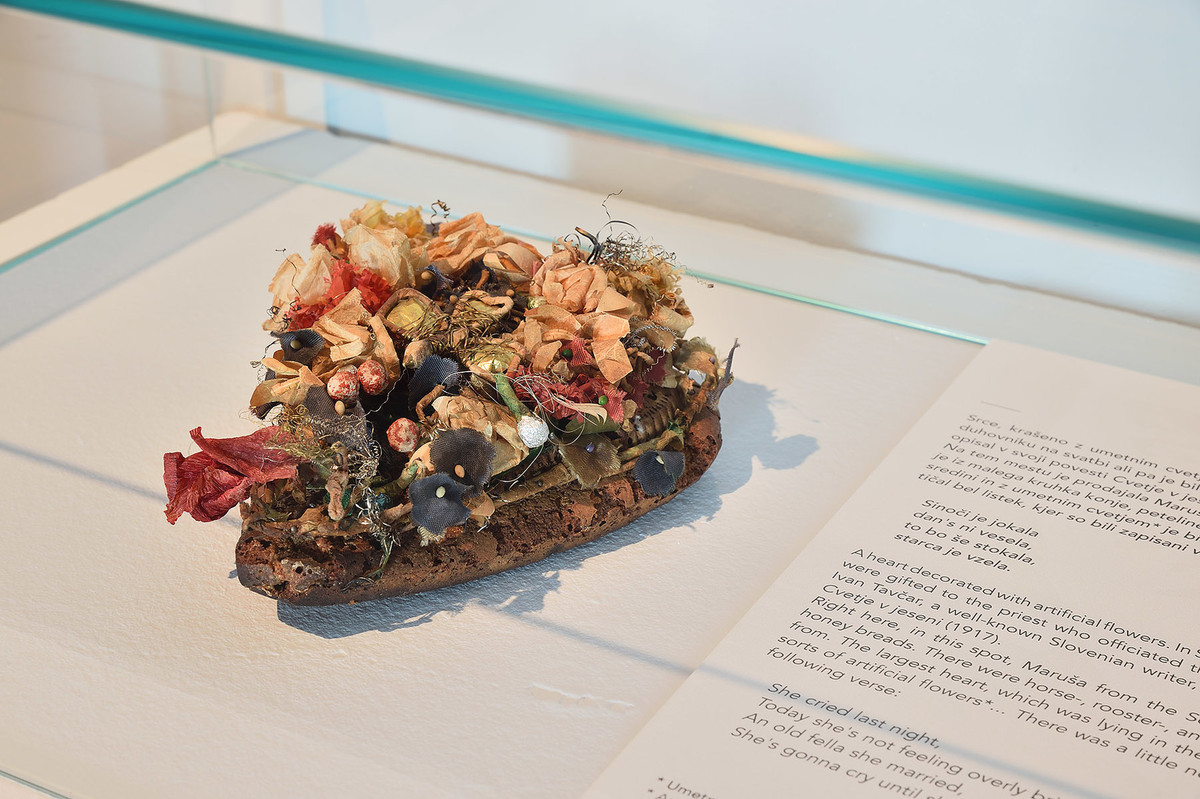
Little honey breads were baked mainly on feast days, such as on Saint Nicholas Day, at Christmas, on New Year's Day, on Epiphany Day and at Easter, as well as on market days, for various blessings and name days. They were used as a wedding gift, a gift for one's sweetheart or as a sweet treat for children.
The making of little honey breads is one of the most important traditional handicrafts in the Škofja Loka area. Today, however, only a few local women still know how to make them, which makes the protection and preservation of honey-bread-related heritage all the more important. The making of little honey breads and wooden honey-bread moulds was added to the Register of Intangible Cultural Heritage in 2018.